
What is Design for Manufacturing (DFM)?
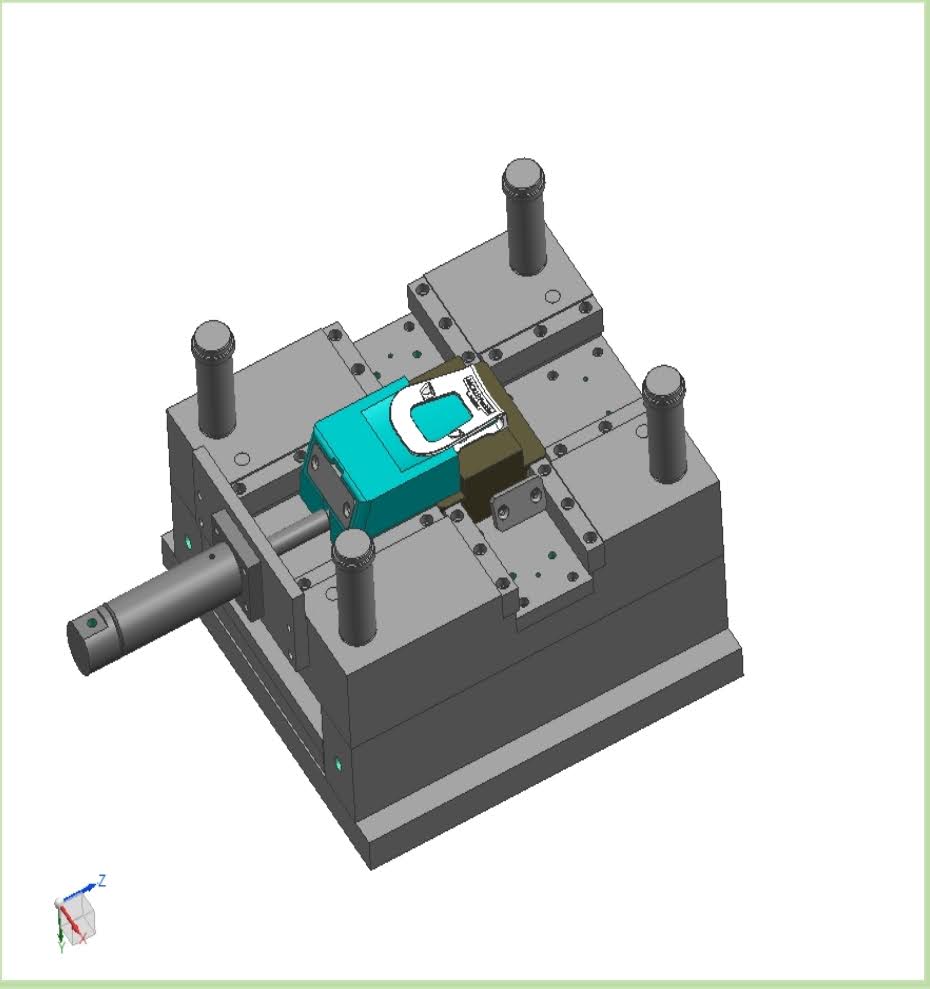
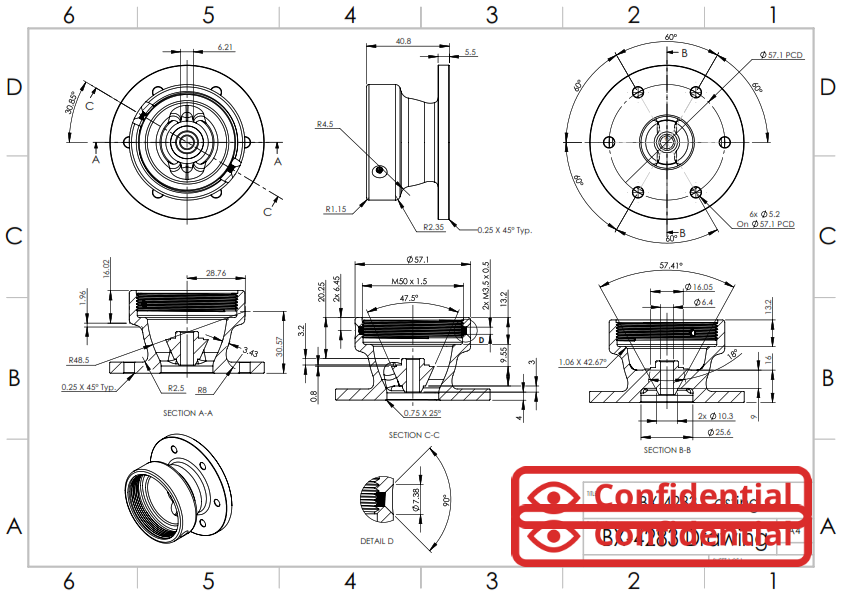
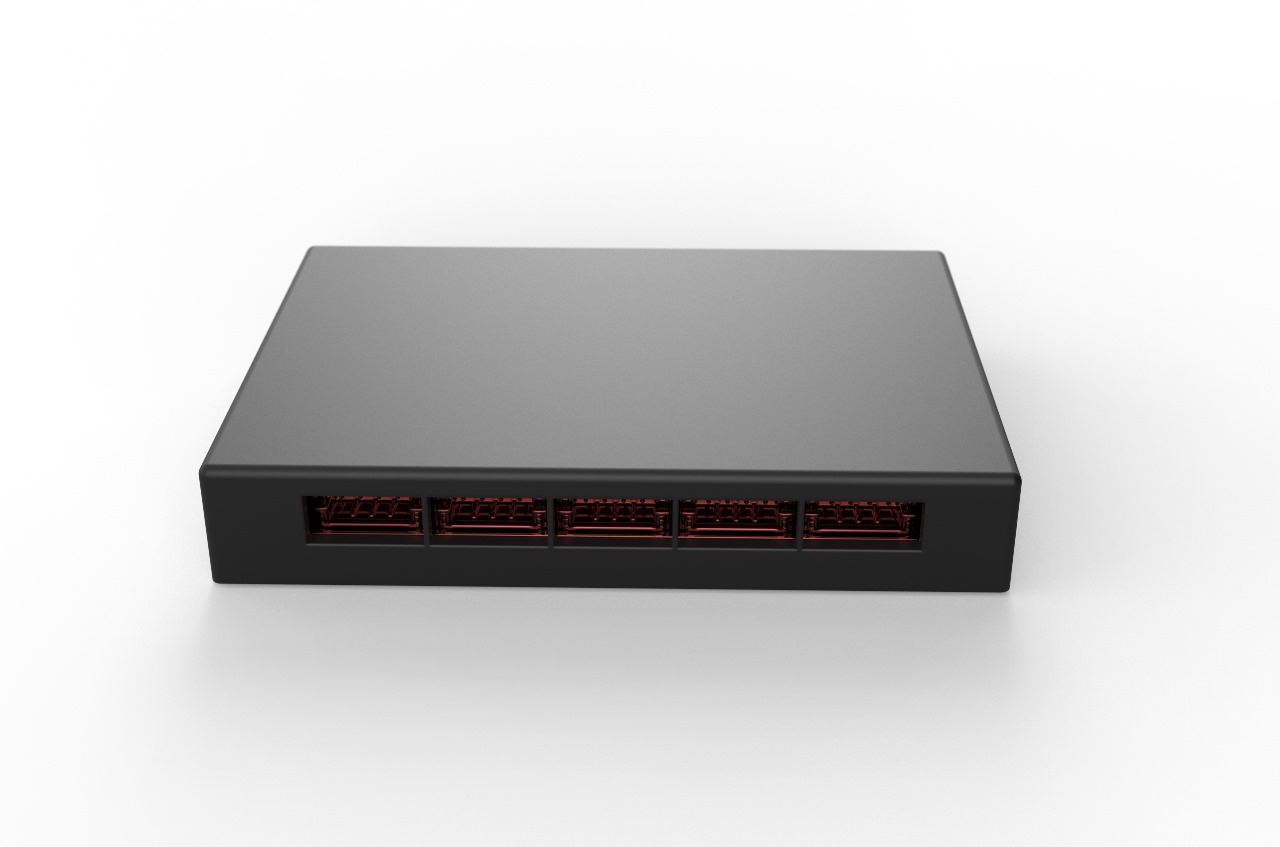
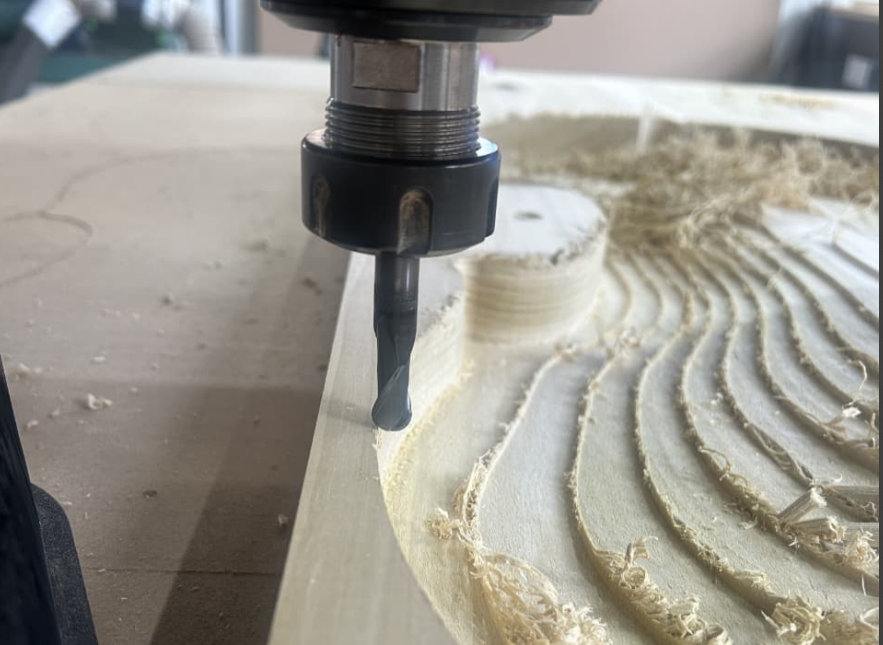
Design for Manufacturing (DFM) is the practice of designing products with manufacturing constraints in mind. By considering how a part will be made — CNC machining, sheet metal, injection molding, or 3D printing — engineers can reduce costs and improve quality.
Key DFM Principles
1. Simplify Geometry
Avoid deep pockets, sharp internal corners, and thin walls. Simpler geometry = faster machining = lower cost.
2. Standardize Components
Use off-the-shelf parts where possible. Custom components are expensive to design, tool, and inventory.
3. Design for the Right Process
A part optimized for 3D printing needs redesign for CNC machining. Choose your process early and design accordingly.
DFM by Process
CNC Machining
- Use radii ≥ tool diameter at internal corners
- Minimize deep cavities
- Design for standard tool sizes
Sheet Metal
- Maintain consistent material thickness
- Keep bend radii within standard limits
- Space holes 2x thickness from bends
3D Printing
- Design supports at 45° or steeper
- Keep walls ≥ 0.8mm for FDM
- Consider layer orientation for strength
Why Proevove?
At Proevove, we specialize in DFM optimization for CNC, sheet metal, and 3D printing. Our engineers review your designs and recommend changes that reduce cost without sacrificing function.