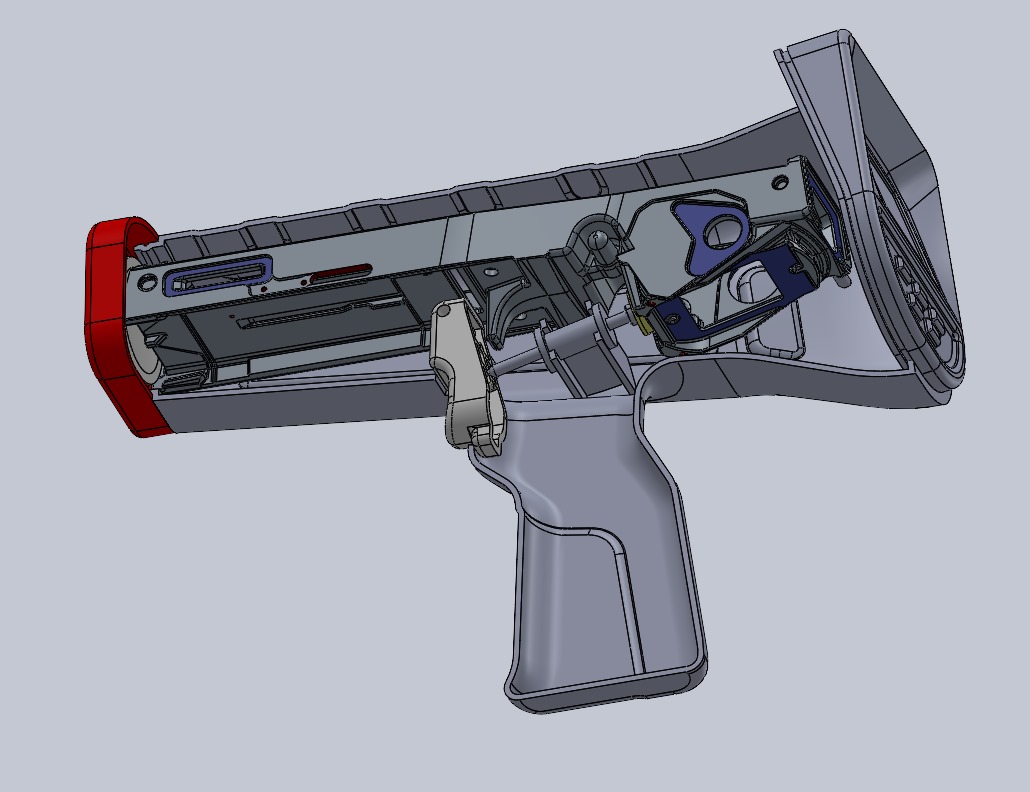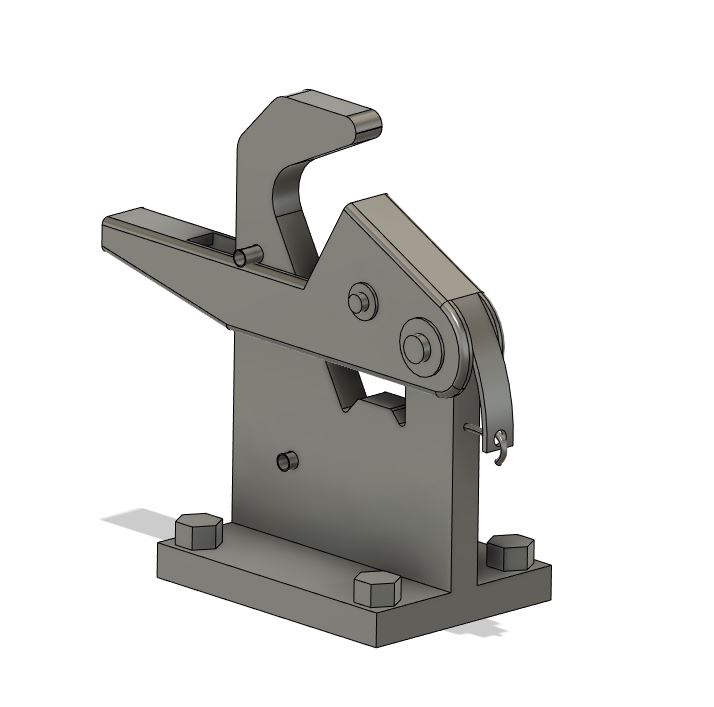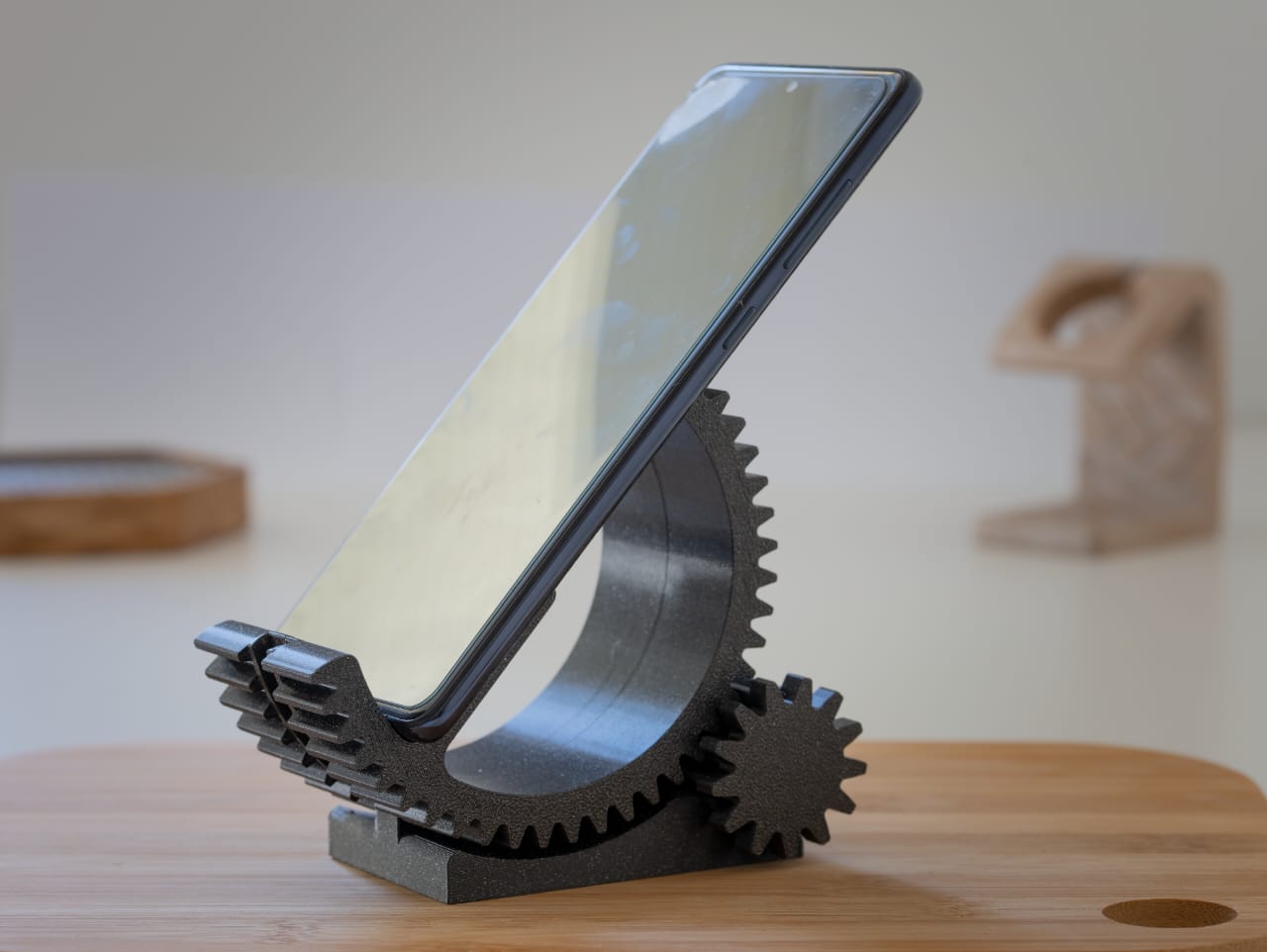
Fused Deposition Modeling (FDM), also known as Fused Filament Fabrication (FFF), is one of the most popular additive manufacturing technologies today. As a material extrusion process, FDM 3D printing uses thermoplastic filaments that are heated and deposited layer by layer to create 3D parts directly from CAD models. This versatile and cost-effective technology powers the largest installed base of 3D printers worldwide, making it the go-to choice for rapid prototyping and production across industries.
What is FDM 3D Printing? How Does it Work?
FDM 3D printers work by heating thermoplastic filaments until molten and then extruding them through a nozzle along a programmed path. The printer shapes objects one thin layer at a time, fusing each layer to the one beneath as the material cools. This layer-by-layer process gradually builds solid, dimensionally accurate parts directly from digital CAD files.
Popular in both desktop and industrial settings, FDM 3D printing is valued for its accessibility, material versatility, and ability to produce functional prototypes and end-use parts.
Key Print Parameters for FDM 3D Printers
Understanding and controlling print parameters is essential for successful FDM parts. Common settings include:
-
Nozzle Temperature: Affects filament melting and layer bonding.
-
Build Platform Temperature: Helps reduce warping and improve adhesion.
-
Print Speed: Influences surface finish and part strength.
-
Layer Height: Ranges from 50 to 400 microns; smaller layers yield finer detail but increase print time.
-
Cooling Fan Speed: Impacts material solidification and print quality.
Build Size and Layer Height
-
Desktop FDM Printers typically have build volumes around 200 x 200 x 200 mm.
-
Industrial FDM Printers support much larger parts, with build envelopes up to 1,000 x 1,000 x 1,000 mm.
-
Typical layer heights range from 50 to 400 microns. A 200-micron layer height often strikes the right balance between detail and speed.
Desktop vs Industrial FDM Printers: Which One to Choose?
Choosing between desktop and industrial FDM 3D printers depends on budget, project scale, and required part quality.
|
Feature |
Industrial FDM |
Desktop FDM |
|
Accuracy |
±0.3% (min ±0.2 mm) |
±0.5% (min ±1.0 mm) |
|
Layer Thickness |
0.18 - 0.5 mm |
0.10 - 0.25 mm |
|
Minimum Wall Width |
1 mm |
0.8 - 1 mm |
|
Build Volume |
Large (up to 900x600x900 mm) |
Medium (200x200x200 mm) |
|
Supported Materials |
ABS, PC, ULTEM |
PLA, ABS, PETG |
|
Support Materials |
Water-soluble and break-away |
Typically same as part |
|
Production Capacity |
Low to medium volume |
Low volume |
Industrial FDM printers offer superior repeatability, larger build volumes, and support for engineering-grade thermoplastics, making them ideal for tooling, functional prototypes, and low-volume production. Desktop machines excel at quick concept models and early design iterations.
Understanding FDM Printing Characteristics
FDM printing has unique traits engineers should consider:
-
Warping: Caused by uneven cooling and material shrinkage, results in part distortion. Mitigate by controlling platform/chamber temperatures, improving bed adhesion, avoiding large flat surfaces, and adding fillets to sharp corners.
-
Layer Adhesion: Strong bonding between layers is crucial for mechanical strength. Excessive anisotropy means parts are weaker along layer lines.
-
Support Structures: Necessary for overhangs, often printed in the same material. Removing supports can be labor-intensive; some industrial FDM printers offer dissolvable supports.
-
Infill and Shell Thickness: Most FDM parts aren’t solid, optimizing material usage with infill patterns and shell walls to balance strength and cost.
Common Materials Used in FDM 3D Printing
FDM supports a wide range of thermoplastics tailored for prototyping or functional use:
|
Material |
Strengths |
Weaknesses |
|
PLA |
Easy to print, excellent detail |
Low impact strength |
|
ABS |
Strong, heat resistant |
Prone to warping without heated chambers |
|
PETG |
Food safe, good strength, easy print |
Slightly less stiff than ABS |
|
Nylon |
High strength, wear resistant |
Sensitive to moisture |
|
TPU |
Flexible |
Challenging print accuracy |
|
PEI (Ultem) |
Excellent strength, chemical resistance |
High cost |
Choosing the right filament depends on your performance, mechanical, and environmental requirements.
Post-Processing Techniques for FDM Parts
FDM parts often require finishing for aesthetics or optimized function:
-
Sanding and Polishing
-
Priming and Painting
-
Vapor Smoothing (e.g., acetone for ABS)
-
Epoxy Coatings
-
Metal Plating and Cold Welding
These methods enhance surface finish and improve durability, especially for functional prototypes and end-use components.
Best Practices for FDM 3D Printing Success
To maximize your FDM prints’ quality and performance, follow these expert tips:
-
Use FDM primarily for rapid prototyping and low-volume functional parts where cost and speed matter.
-
Choose materials based on mechanical, thermal, and chemical needs.
-
Design parts to minimize warping: add fillets, avoid wide flat faces, and optimize geometry.
-
Consider anisotropic strength; avoid critical mechanical uses without testing.
-
Respect minimum feature sizes tied to nozzle diameter and layer height.
-
Increase wall thickness or infill percentage for load-bearing sections.
-
Plan for post-processing if you need smooth or detailed surfaces.
-
For very high detail or cosmetic parts, investigate other technologies like SLA.
Conclusion
Fused Deposition Modeling (FDM) stands as a versatile, widely accessible 3D printing method suitable for both beginners and industrial users. By understanding the differences between desktop and industrial FDM systems, mastering print parameters, selecting appropriate materials, and optimizing designs, engineers can leverage FDM to accelerate innovation and streamline prototyping and production workflows.
Ready to get started with FDM 3D printing? Explore materials, printers, and design tips to enhance your next project’s success!